
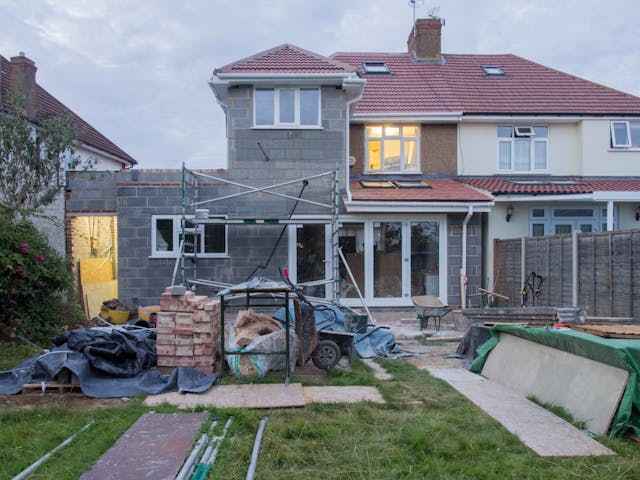
Building an addition while living in your house sounds manageable until construction actually starts and you realize you’re basically camping in a construction zone for months. No amount of mental preparation fully captures the reality of living surrounded by noise, dust, strangers walking through daily, and constantly shifting access to basic rooms.
People do it successfully though, which means it’s survivable with proper planning and realistic expectations about how miserable parts of it will be.
1. Choosing The Right Contractor Makes Everything Easier
This project will consume months of your life while requiring constant interaction with the construction crew. Picking a contractor you can actually communicate with matters enormously for your sanity. Someone who returns calls, explains what’s happening, addresses concerns without getting defensive, and keeps you informed about schedules and changes makes the whole experience substantially less stressful. A General Contractor Indianapolis homeowners recommend should have solid references from other clients who lived through their projects, not just people who had work done on vacant properties or new construction where nobody was living on site during the work.
Interview multiple contractors before deciding. Ask specifically about their experience with occupied-home projects. How do they minimize dust and noise? What’s their typical work schedule? How do they handle situations where homeowners need access to areas being worked on? Do they clean up daily or let mess accumulate? Their answers reveal whether they’ve actually thought about the homeowner experience or just focus on getting the work done regardless of disruption.
2. Establishing Clear Communication And Boundaries
Talk to your contractor before work starts about how you’ll communicate. Do they text? Email? Show up at your door every morning for a chat? Figure this out early because getting daily updates saves you from nasty surprises like discovering the water’s being shut off while you’re covered in shampoo. Knowing which rooms will be off-limits helps you plan your day instead of walking into a wall of plastic sheeting.
The boundaries conversation feels awkward but beats dealing with weird situations later. What time does the crew show up and leave? Can they use your bathroom or bring a porta-potty? Where’s everyone parking so your neighbor doesn’t explode about blocked driveways? Which rooms are absolutely off-limits? Spell this stuff out clearly. Most contractors would rather know exactly what you want than try guessing and getting it wrong. Nobody enjoys the awkward moment when a worker walks through your bedroom because they assumed all areas were fair game.
3. Preparing Your Living Space For Long-Term Construction
You’ll be living in reduced space with limited access to certain areas for months. Plan accordingly. If the addition connects to your kitchen, figure out temporary kitchen arrangements. Could be setting up a makeshift kitchen in another room, relying heavily on microwave and instant pot, eating out more frequently. Whatever the plan, test it before construction starts to identify problems while you still have time to adjust.
Designate storage for furniture and belongings from rooms affected by construction. Garage, basement, spare bedroom, rented storage unit. Wherever it goes, organize it so you can still access things you’ll need during construction rather than burying everything under random boxes. Living for months without being able to find basic items because they’re packed somewhere in the chaos adds unnecessary frustration.
4. Managing Dust And Debris Daily
Construction creates shocking amounts of dust that spreads everywhere despite containment efforts. Accept this reality upfront. Seal off living areas from construction zones as much as possible using plastic sheeting and tape. Won’t stop all dust but reduces it significantly. Consider running air purifiers in living spaces to capture airborne dust before it settles on everything.
Daily cleaning becomes necessary rather than optional. Wipe down surfaces, vacuum floors, change HVAC filters more frequently. Dust accumulation happens fast enough that letting it go for days creates much harder cleaning jobs later. Many homeowners find hiring cleaning help during construction worth every penny for maintaining some semblance of normal living conditions.
5. Protecting Your Sanity During Disruption
Construction noise starts early and continues all day. Establish quiet hours if you work from home or have young children napping. Most contractors accommodate reasonable requests about timing for particularly loud work. Invest in noise-cancelling headphones for video calls or focused work time.
Plan regular escapes from the house. Weekends away, evenings out, anywhere that isn’t a construction zone. Living in constant disruption wears people down mentally. Regular breaks from the chaos help maintain perspective and prevent construction-related arguments between household members who are all dealing with the same stress.
6. Handling Inevitable Problems And Changes
Something will go wrong or need changing during construction. Materials arrive damaged. Walls opened up reveal problems requiring additional work. Design elements that looked great on paper don’t work in reality. Your contractor’s response to these situations matters more than avoiding problems entirely, which is impossible.
Good contractors present problems with proposed solutions rather than just dumping problems on you. They explain options, cost implications, and timeline impacts clearly. They work with you to find solutions that balance your needs with project realities. This collaborative approach to problem-solving makes inevitable issues manageable instead of relationship-destroying.
Making It Through To The Other Side
Living through home addition construction tests patience, relationships, and sanity. Also creates valuable additional space you’ll enjoy for years after the disruption ends. Keeping that end goal visible during difficult construction days helps. Taking progress photos documents how far the project has come when you’re frustrated about how far it still needs to go. Eventually construction ends, workers leave, dust settles, and you get to enjoy the addition you survived building. Just remember that part when you’re finding sawdust in your breakfast cereal for the third time this week.